
There are railway journeys where the destination is almost incidental. The real attraction is in the railway itself — in the landscape, the stations, the people and, occasionally, in the feeling that the train has somehow slipped through a gap in time. The metre-gauge railway through the forests of Gir in Gujarat is one such example.
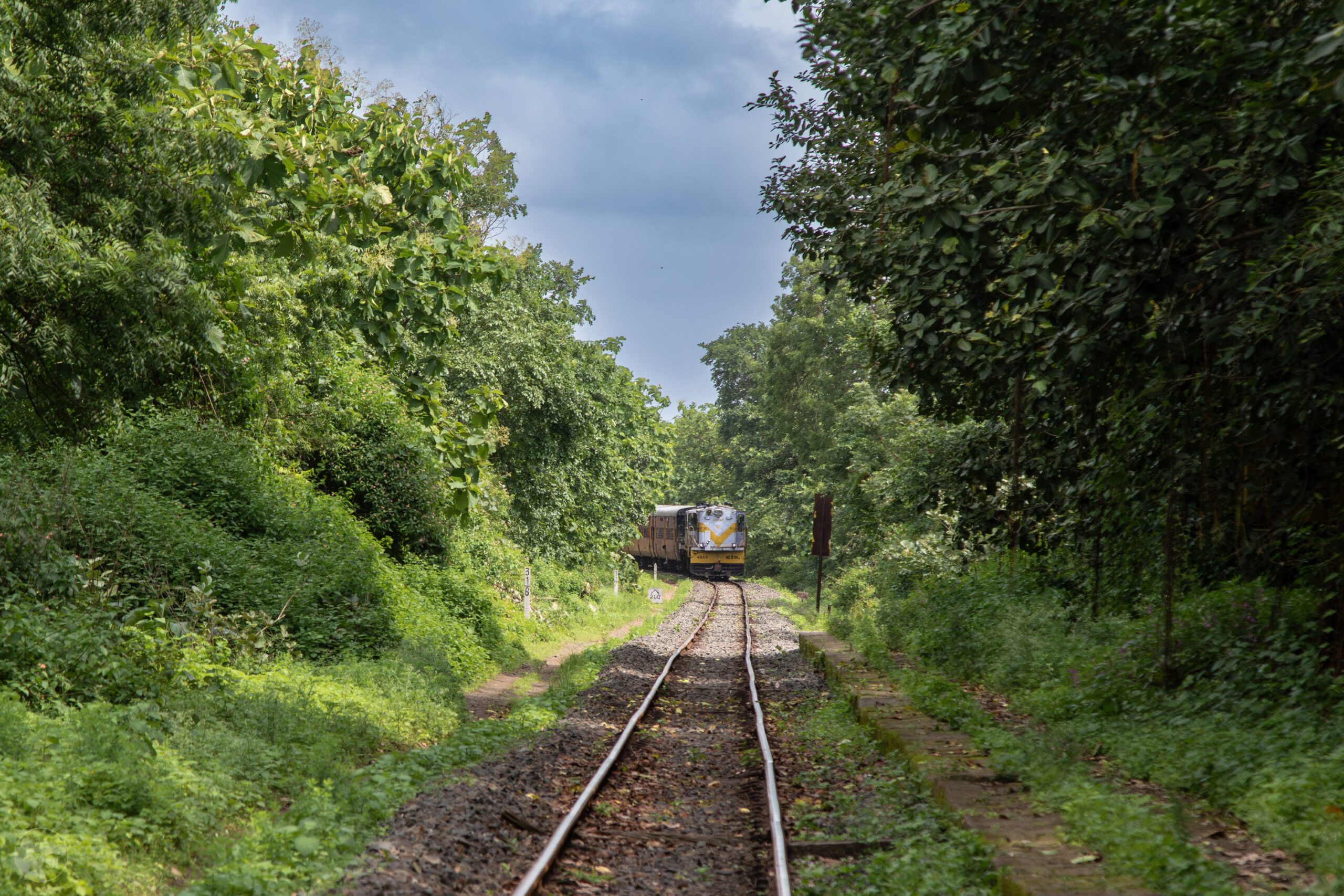
Today, the line is an unlikely survivor. While almost the entire Indian railway network has been standardised on the Broad Gauge, a small network of metre-gauge tracks still survives in Saurashtra. Just 300 odd kilometres, running through Sasan Gir and the surrounding forests. It is a railway journey that takes you through heart of the last habitat of the Asiatic lion.
But the story of this railway begins long before the words “wildlife tourism” and “heritage railway” entered the vocabulary.
Railways come to Kathiawar
In the nineteenth century, Kathiawar was a mosaic of princely states, each with its own ambitions, finances and, increasingly, its own railway. The Imperial Gazetteer of India recorded that the first railway entered Kathiawar in 1872, under the Bombay, Baroda and Central India Railway. The princely states soon followed. Bhavnagar and Gondal built their railway in the 1880s, while Junagadh constructed a 69-mile metre-gauge line from Jetalsar through Junagadh to the port of Veraval in 1886. By 1904, Kathiawar had more than 577 miles of railway of various gauges.
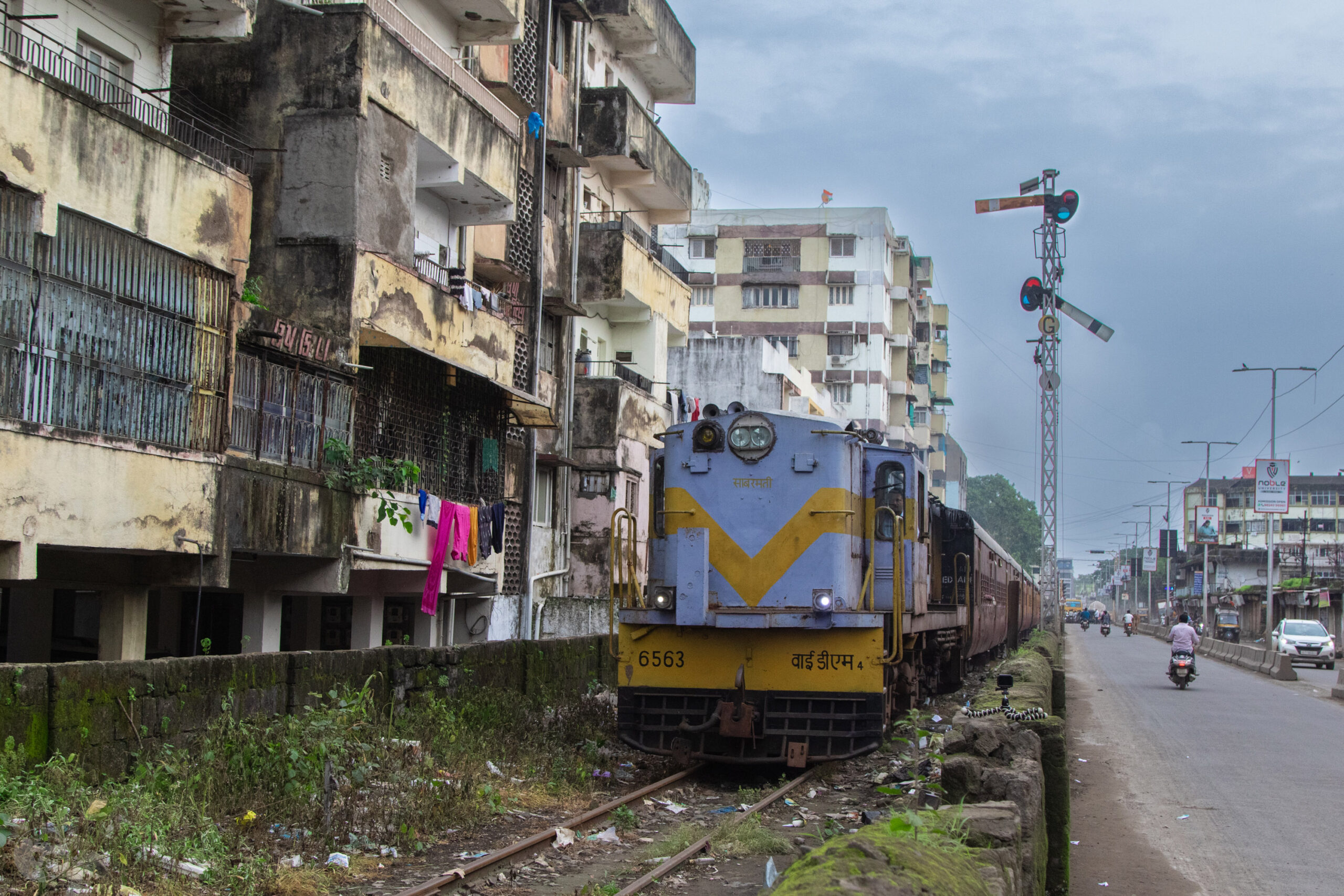
The Junagadh railway was initially part of the Bhavnagar-Gondal-Junagadh-Porbandar Railway, a rather unwieldy alliance of state-owned railways. In 1911, the arrangement was broken up and the Junagadh State Railway began operating independently under the Junagadh Durbar. For the Nawab’s state, the railway was more than a means of transport. It linked the capital with the coast, connected agricultural areas with markets and brought the remote parts of the state into an increasingly interconnected Kathiawar. And there was still a considerable part of the state that remained remote. The Gir.
Into the forest
The Gir was already recognised as an important resource of Junagadh. The Gazetteer described the Gir district as containing around 1,200 square miles of forest, with teak, blackwood, jamun and babul among its principal trees. Timber was both an economic resource and an important source of revenue for the state. The railway eventually pushed deeper towards this landscape.
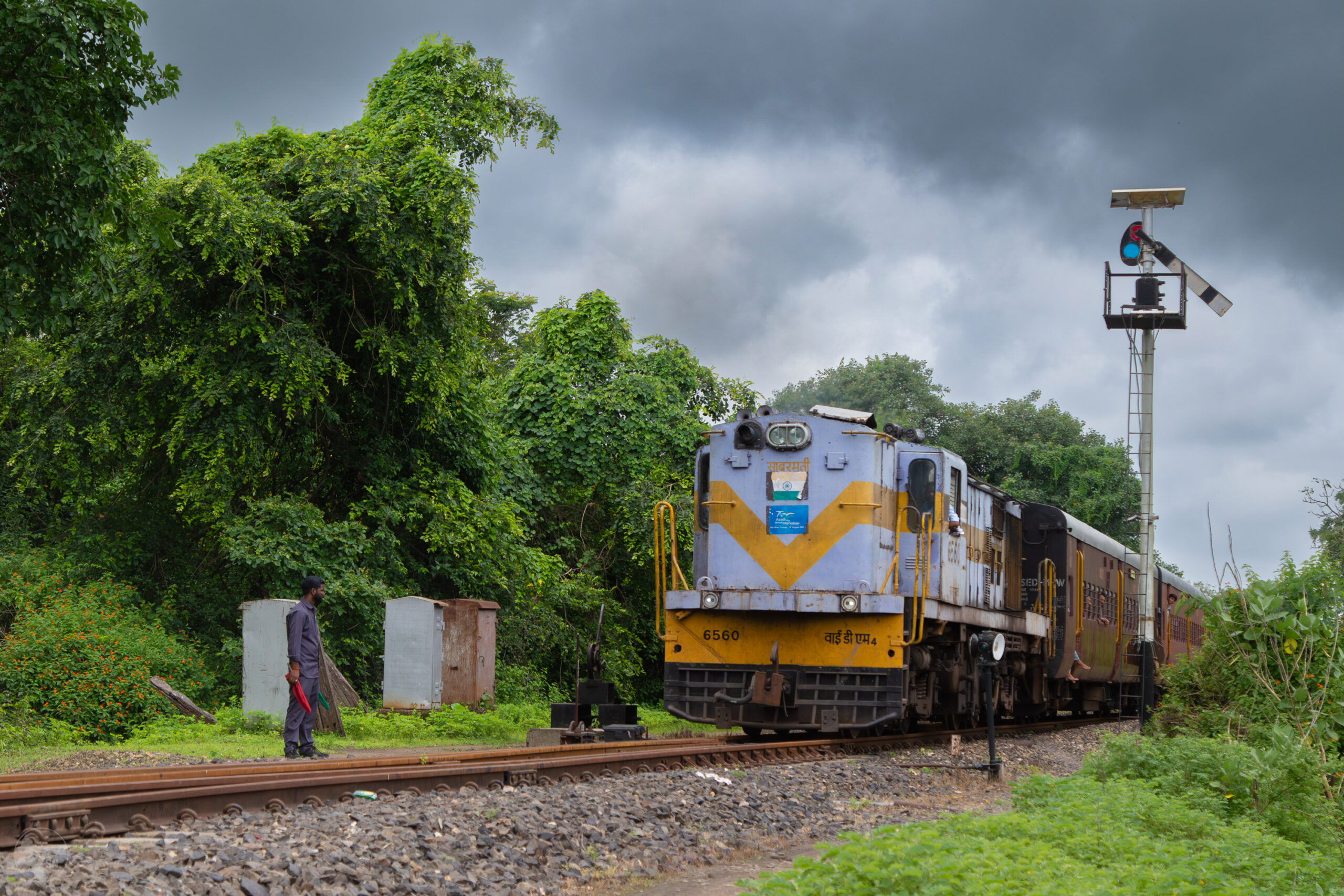
A branch from Visavadar towards Dhari was completed in 1932, creating an important junction at Visavadar. Then came the more ambitious connection between Talala and Visavadar, via Sasan Gir. The entire 47-kilometre metre-gauge line had been sanctioned in 1929. The first 18 kilometres, from Talala to Sasan Gir, opened in 1936. The remaining section towards Visavadar proved considerably more difficult, passing through dense and difficult country, and was completed in 1937.
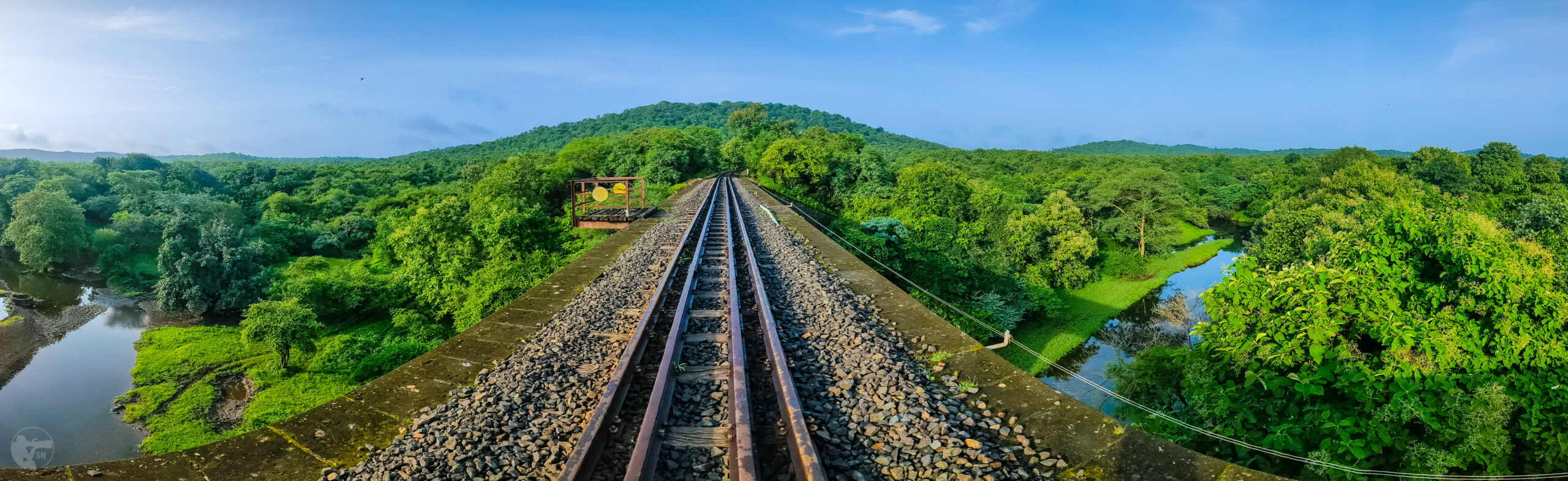
It is worth pausing here to consider the timing. This was not a railway built for tourists wanting to photograph lions from a carriage window. It was a railway of a princely state, constructed to improve communications across its territory. Yet the alignment chosen by its engineers has given us something rather remarkable nearly ninety years later: a railway that follows the contours of the Gir hills and passes through an ecosystem that has become one of India’s most important wildlife landscapes. The train simply happens to be in the right place.
A railway with its own rhythm
Travelling the line is a reminder that metre gauge was not merely a smaller version of broad gauge. It produced its own character. The coaches are narrower. The trains are shorter. The track seems to sit more lightly on the landscape. Curves are tighter and speeds slower.
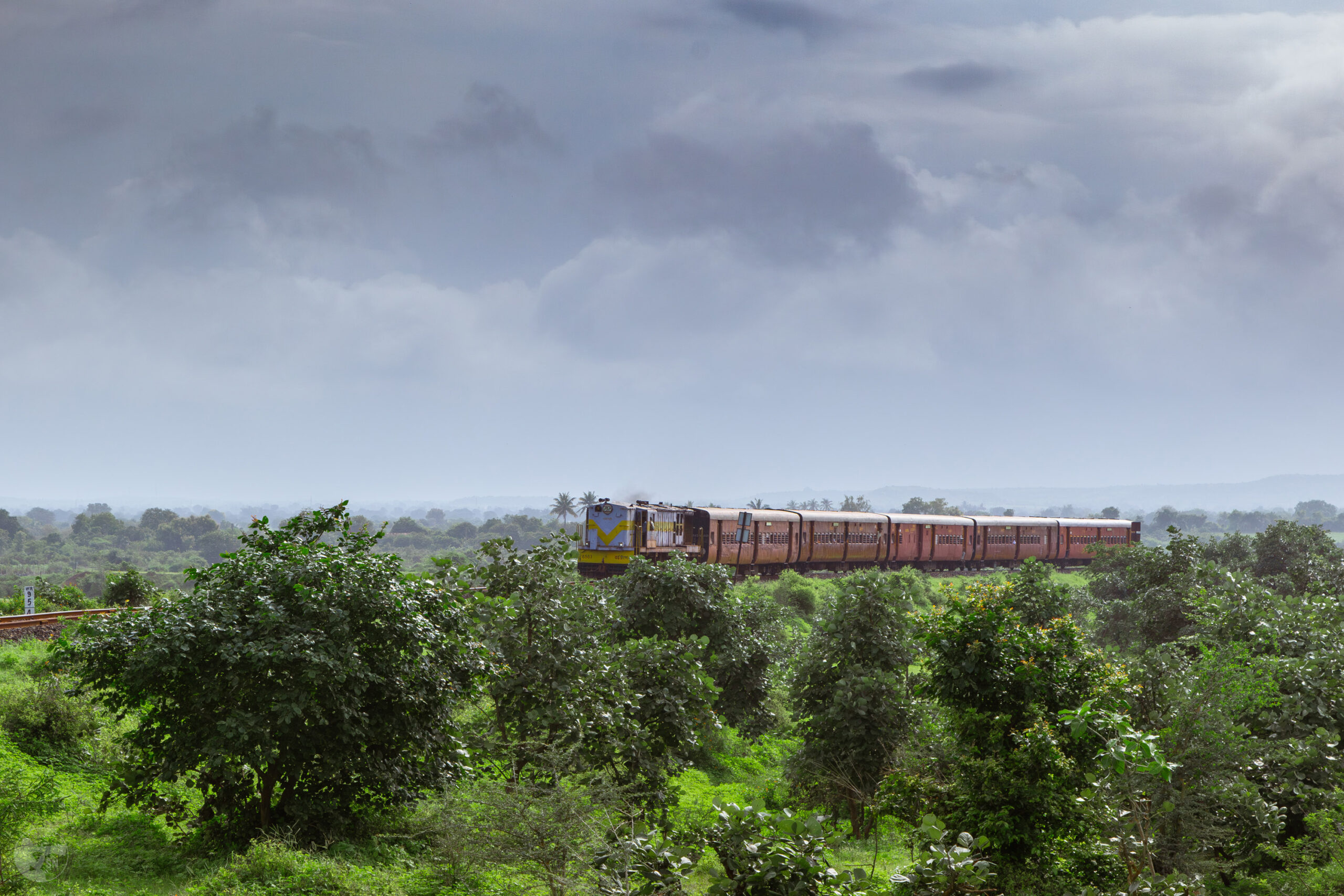
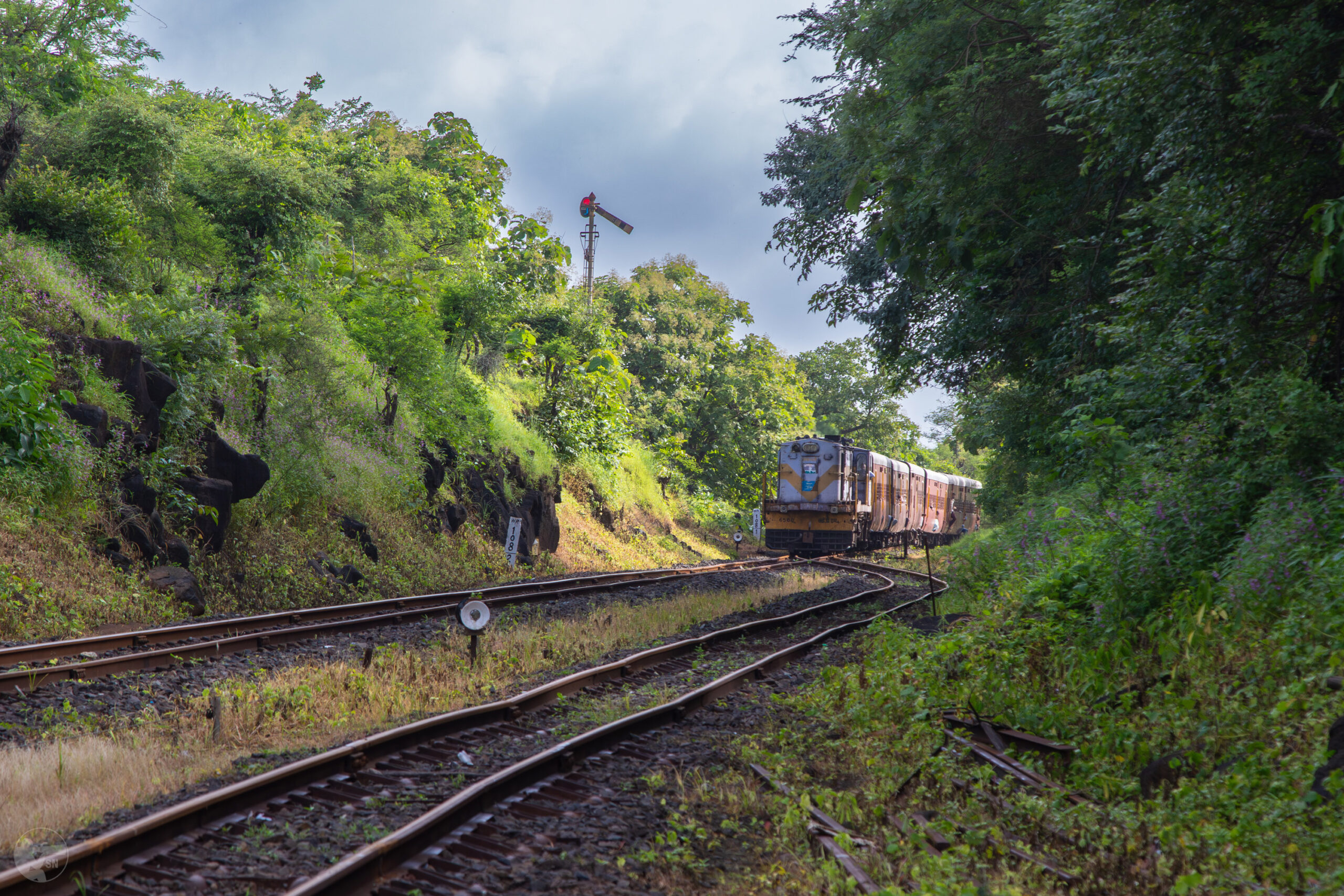
On the section between Visavadar and Talala, the maximum permissible speed was traditionally around 30 km/h, partly because the railway enters the lion country. An IRFCA account of travelling the line describes the railway passing through dense forest, rocky hills and deep cuttings, with the landscape changing dramatically after Dhari and Visavadar.
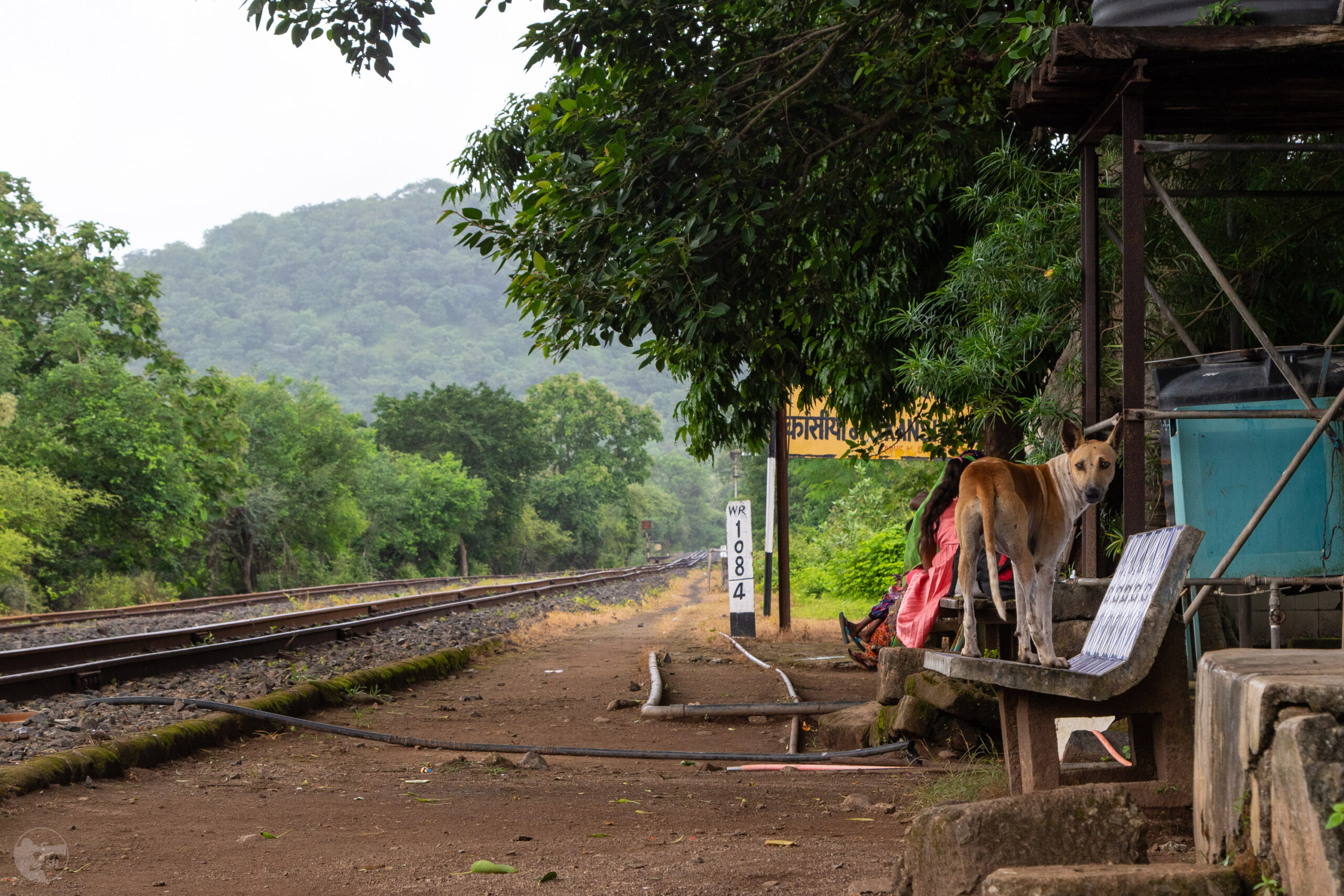
At Kansiya Nes, the character of the railway becomes particularly apparent. There is no grand station here. Instead, the little station sits amid the forest, seemingly almost too modest for the importance of the place it serves. It is an extraordinary juxtaposition. A railway station — normally a place associated with crowds, announcements and movement — becomes a place where the railway is very much a visitor in someone else’s territory. And that someone else happens to be the Asiatic lion.
The railway and the lions
The relationship between railway and wildlife is not always romantic. The line is slow precisely because the forest comes first. Modern railway operations have also had to adapt to the movement of animals. The Railways altered the timings of the train services after directions from the Gujarat High Court, specifically to reduce the possibility of lion deaths. Night operations were restricted as well.


The issue is even more complicated because the railway network around Gir extends beyond the little metre-gauge line itself. Lion movement corridors intersect railway infrastructure over a much wider area, and collisions have periodically resulted in fatalities. Recent government responses mention speed restrictions, wildlife monitoring, underpasses and closer coordination between the Railways and the Forest Department.
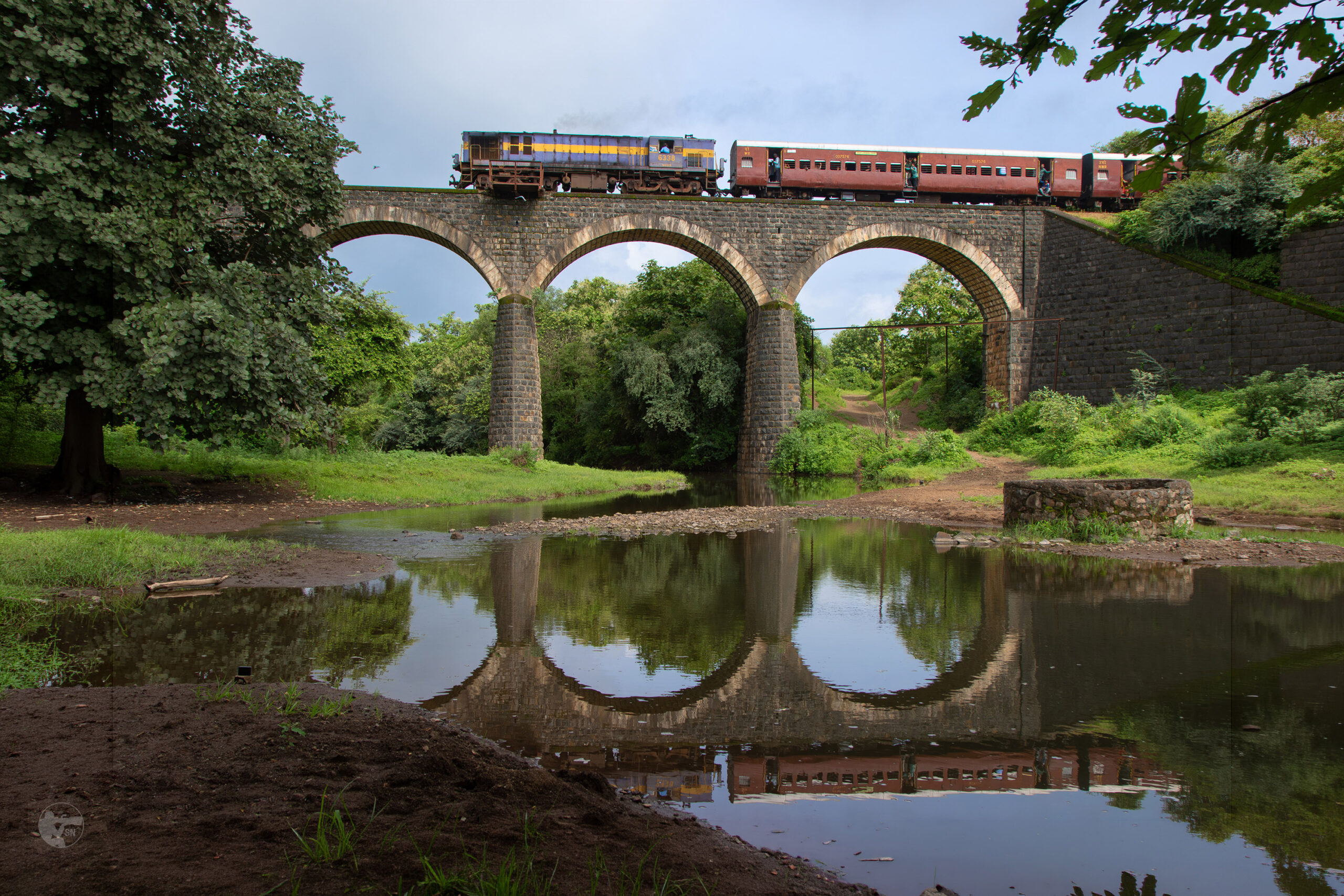
It is an interesting reversal of the railway’s original purpose. The nineteenth-century railway was an instrument for conquering distance. Today, on this little section of track, success is sometimes measured by how slowly the train can travel without disturbing the forest.
The last survivors
For years, the future of the Gir metre-gauge railway seemed uncertain. The logic was familiar: convert the line to broad gauge, connect it more efficiently with the national network and eliminate another isolated metre-gauge island.
Plans for gauge conversion have existed for years. The Junagadh–Visavadar, Khijadiya–Visavadar and Veraval–Talala–Visavadar sections have all been among proposed gauge-conversion projects. Some of these proposals have progressed through surveys and approvals, while wildlife and forest considerations have complicated the process.
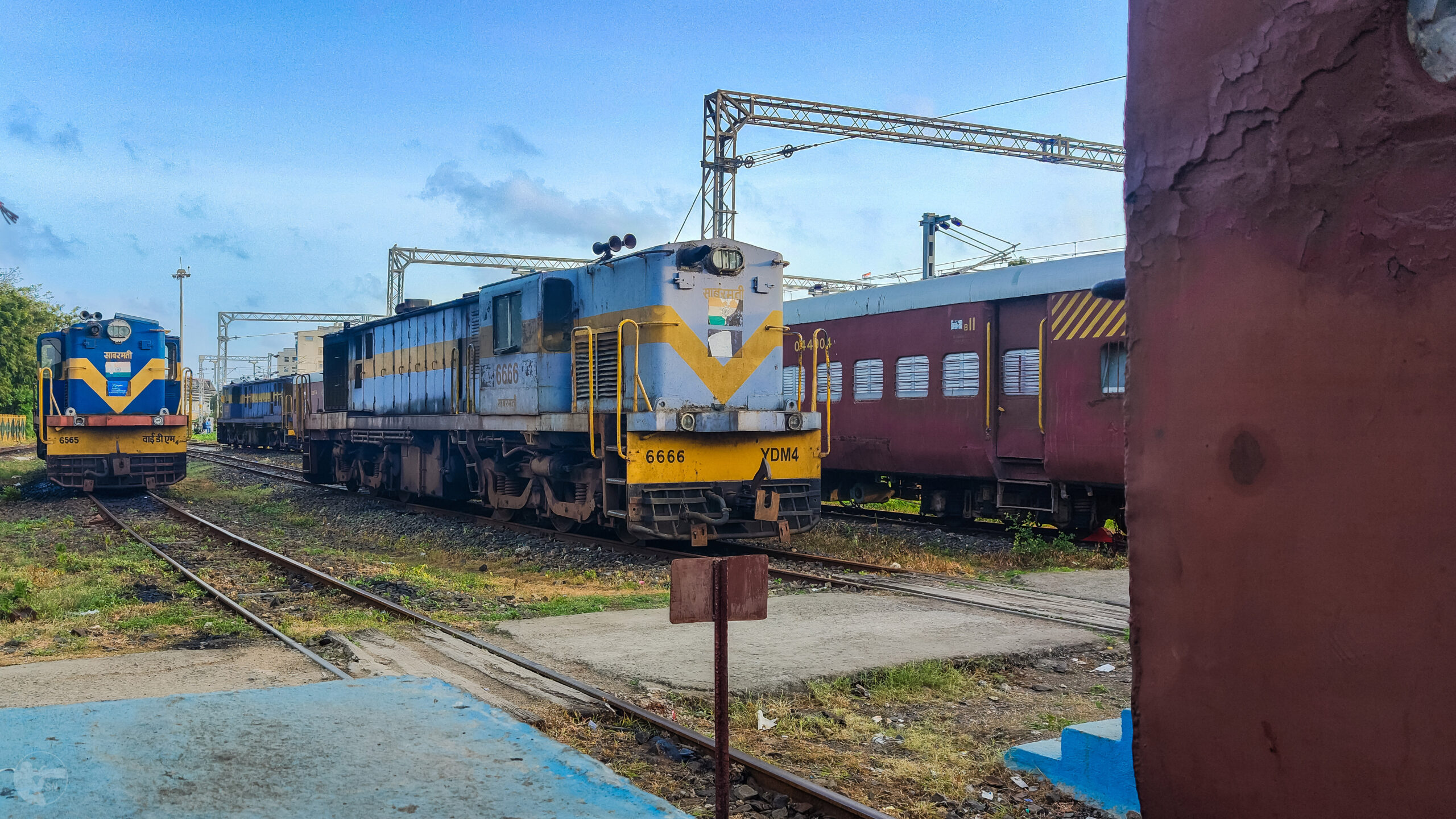
Yet something unexpected has happened. The very characteristics that once made the line obsolete — its small size, slow trains, historic stations and spectacular alignment — have begun to make it valuable.
In 2026, Western Railway proposed retaining the Junagadh–Visavadar–Sasan Gir metre-gauge section as a heritage railway, with plans being discussed for a more tourism-oriented service and improved viewing coaches. The idea is to preserve the old railway rather than replace it with yet another broad-gauge line.
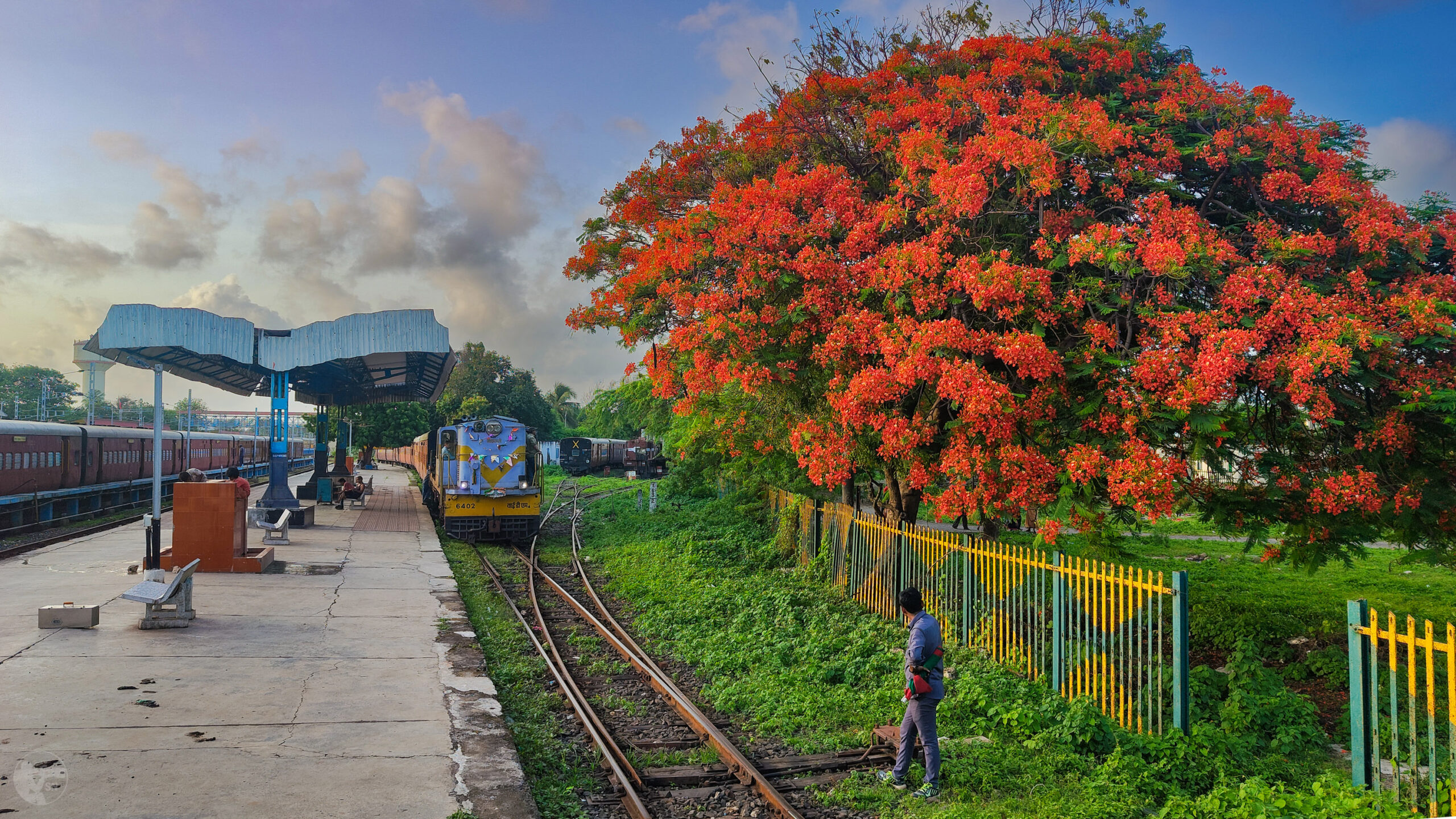
Perhaps that is the best possible future for it. Because the attraction of this railway is not that it gets you somewhere quickly. Quite the opposite. It is the slowness.
For now, the railway continues on its way, as it has done since the days of the Junagadh Durbar. For nearly ninety years, it has carried people into and out of the Gir. Perhaps now, instead of asking how to make this little railway faster, we should simply let it remain what it has always been — a slow, unobtrusive thread through one of India’s most remarkable forests.
Some railways are worth preserving because of where they came from. This one is worth preserving because of where it is.